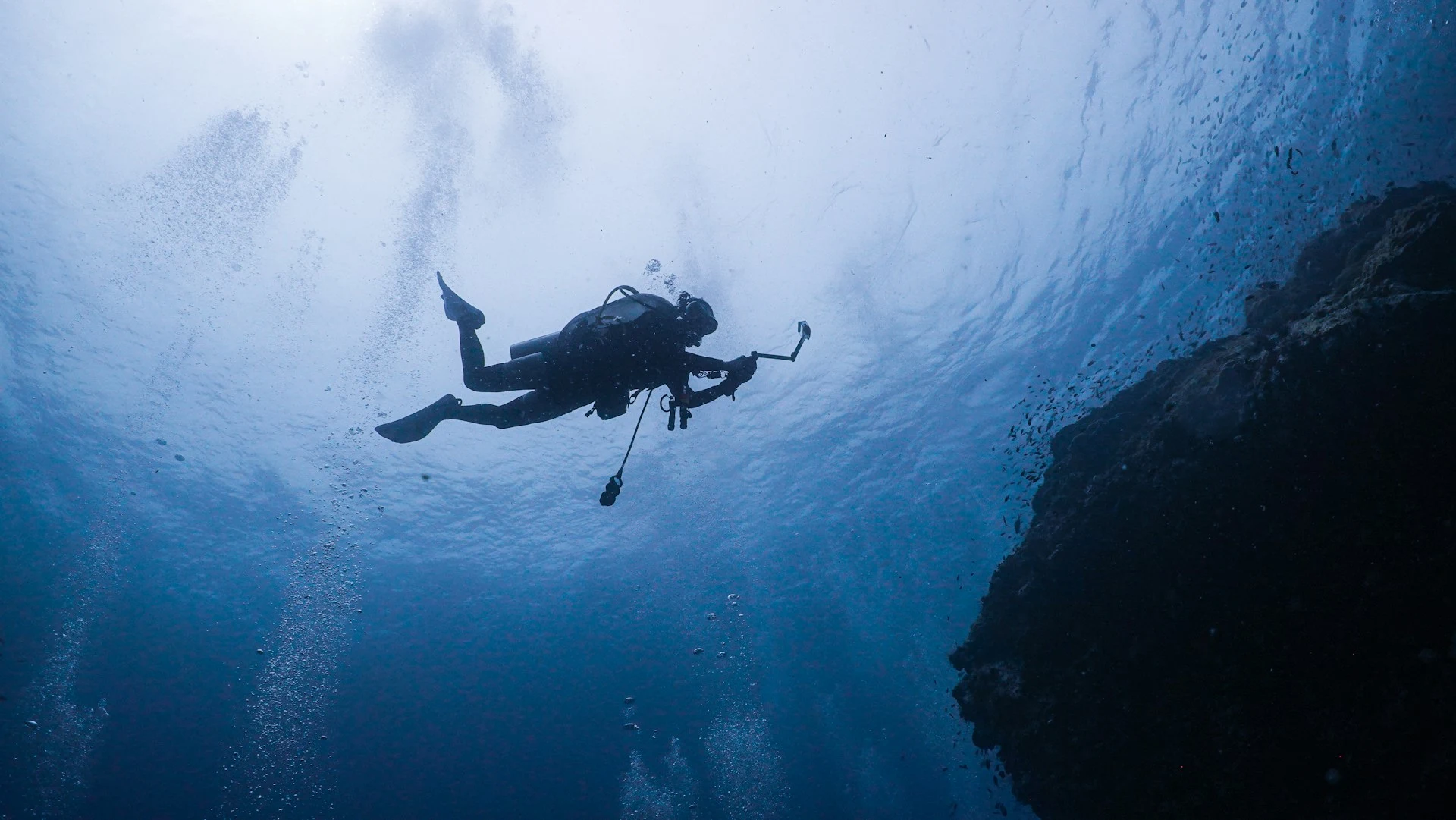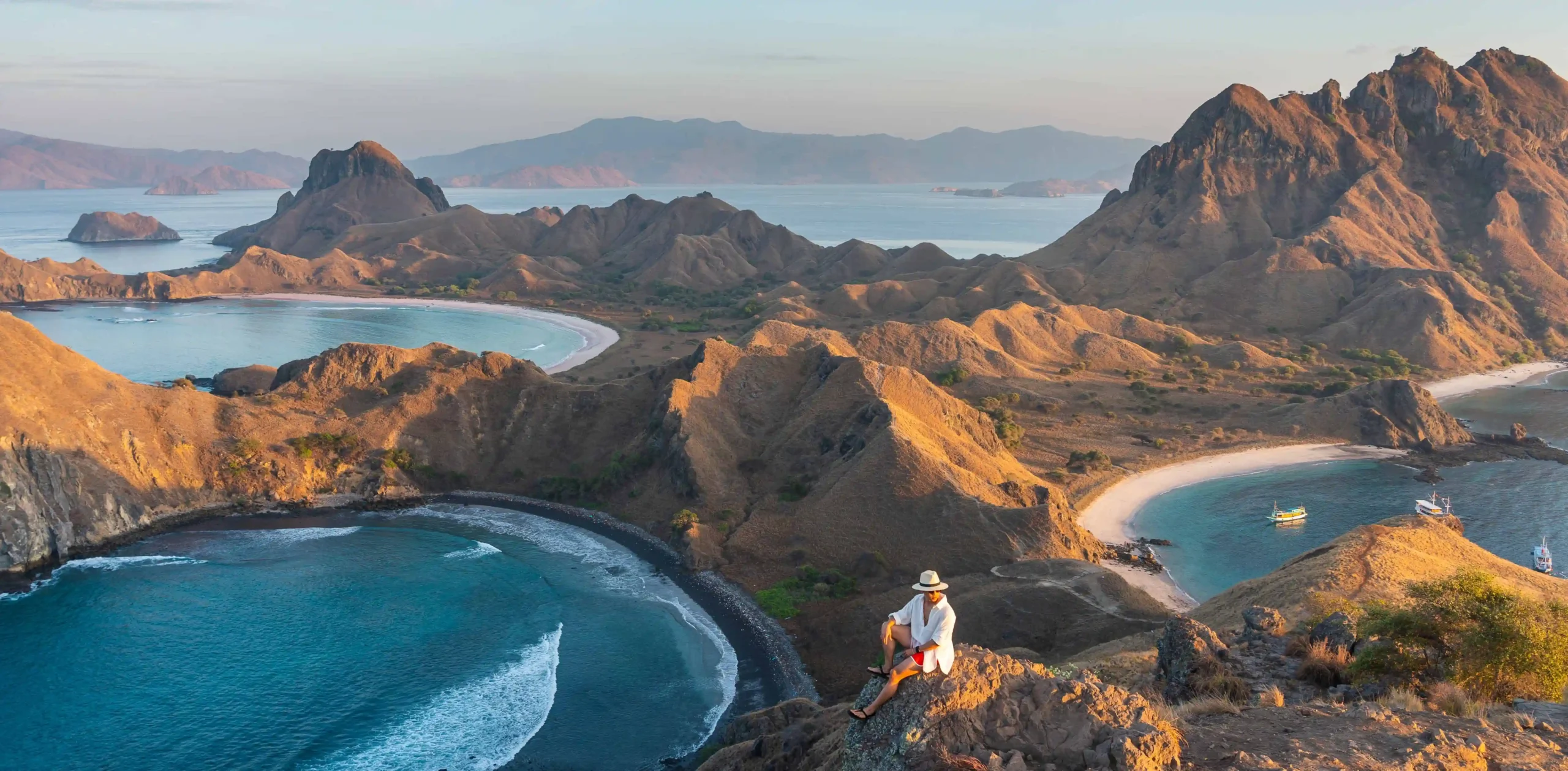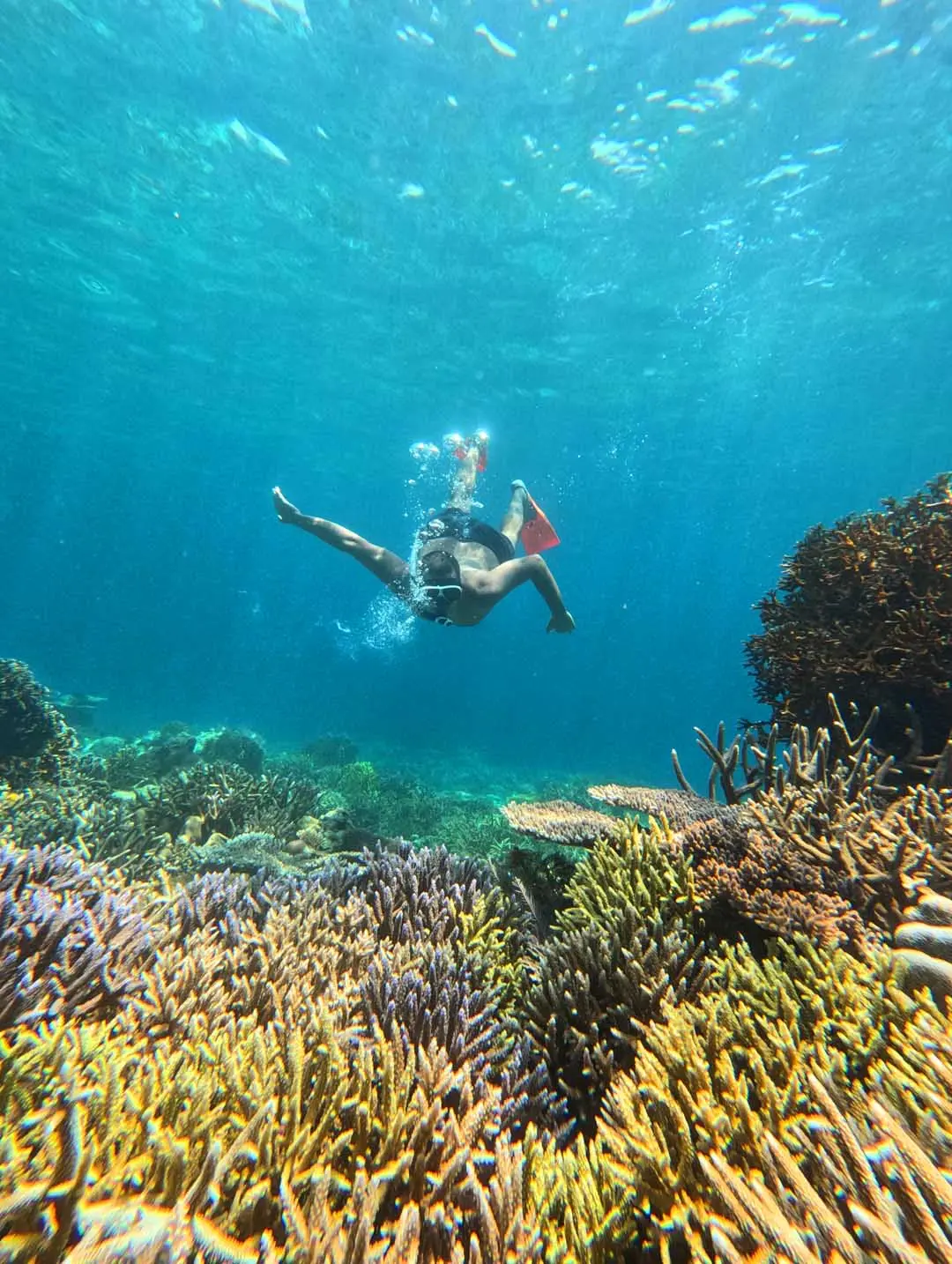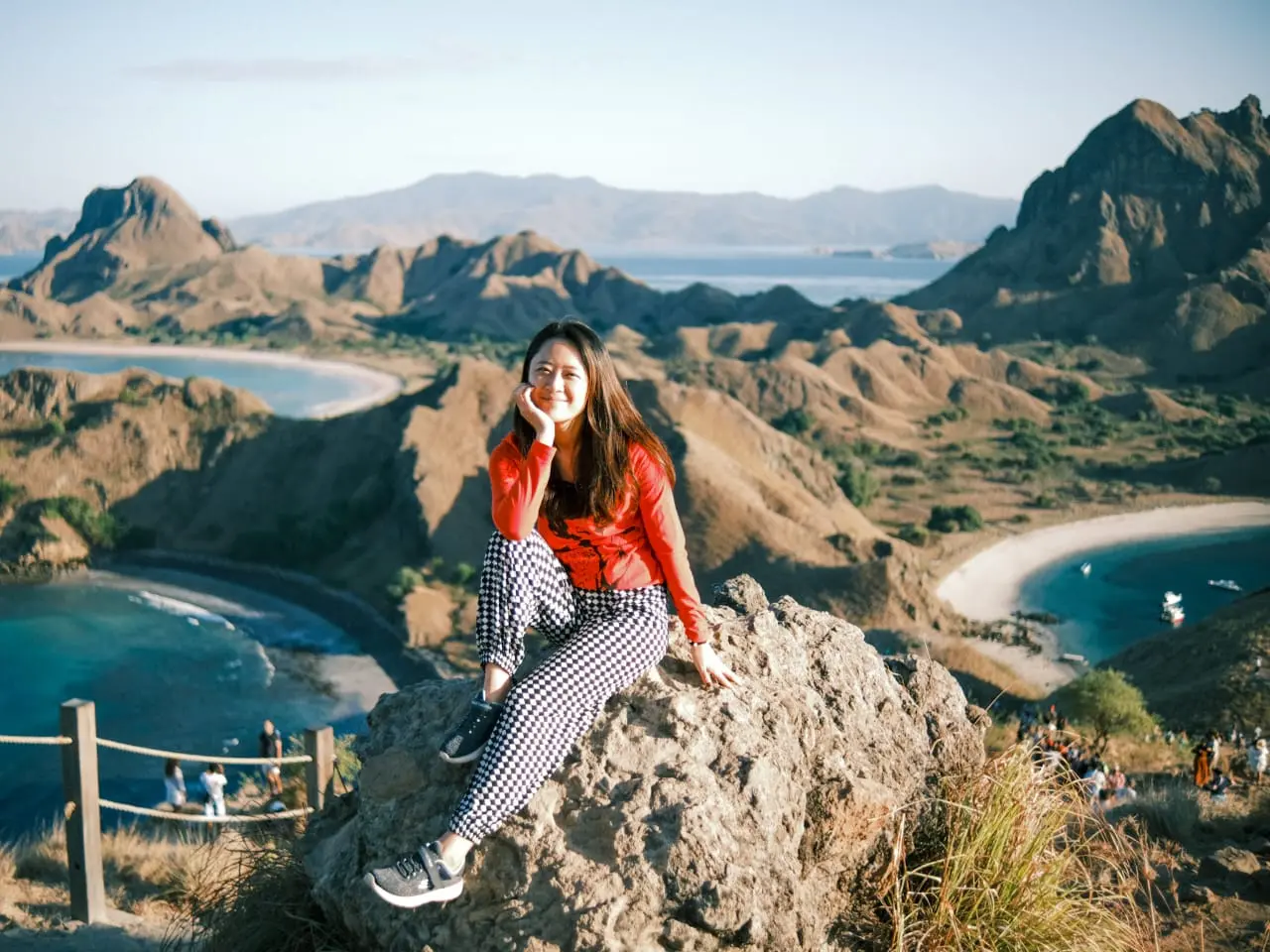
Few destinations in the world offer aerial landscapes as extraordinary as Komodo National Park. From the dramatic ridgelines of Padar Island to the pink sands of Pink Beach and the shallow turquoise waters of Taka Makassar, this Indonesian archipelago is a paradise for photographers, filmmakers, and travel enthusiasts.
While these landscapes are breathtaking from the deck of a boat, seeing them from above reveals an entirely different perspective. Sweeping island formations, intricate coral reefs, and the contrast between rugged hills and crystal-clear water create some of the most spectacular aerial photography opportunities in Indonesia.
Naturally, flying a drone in Komodo is high on the bucket list of many travelers.
But there is one important question to answer before packing your equipment: Can you legally fly a drone in Komodo National Park?
Drone operations may be permitted for approved activities, including tourism documentation and photography, subject to the applicable aviation regulations, conservation requirements, and official authorization.
Understanding these rules before your trip is essential. This guide explains how to prepare your drone, apply for the necessary permits, identify restricted flying areas, and capture aerial footage responsibly during your Komodo adventure.
Before planning your aerial photography, make sure your drone and batteries are properly prepared for the journey.
Most visitors travel to Labuan Bajo through Bali or Jakarta before continuing their exploration of Komodo National Park by boat. If you are bringing a drone from overseas, understand airline battery restrictions and protect your equipment throughout the journey.
When traveling on domestic routes within Indonesia, check the latest drone transportation policies directly with your airline. Airlines may have specific requirements regarding lithium batteries, battery capacity, terminal protection, and baggage handling.
The drone body can generally be packed in suitable carry-on or checked baggage, subject to airline policies. For better protection, use a padded carrying case or a hard-shell protective case to prevent damage during transportation.
Lithium batteries require special attention when traveling by air.
For additional guidance, consult IATA's lithium battery travel safety information before departure.
For DJI drone batteries, follow the manufacturer's transportation and storage recommendations.
A Komodo liveaboard experience often involves several days at sea, with changing weather conditions, salt spray, humidity, and occasional splashes on the deck.
A waterproof hard case is highly recommended for protecting your drone, batteries, controller, and accessories. Keep your equipment away from seawater, avoid leaving batteries exposed to direct sunlight, and always store your drone securely when the boat is moving.
Flying a drone in Komodo National Park is not simply a matter of launching your aircraft from the boat.
The park is a protected conservation area managed by Indonesia's Ministry of Forestry. Drone operations must comply with national aviation regulations and the park's environmental protection requirements.
Before planning a flight, review the official Komodo National Park drone permit guidelines. This is the primary reference for understanding the park's application requirements and drone restrictions.
Drone operators should distinguish between several different approvals:
Your drone must meet the applicable registration requirements established by Indonesia's Directorate General of Civil Aviation.
The operator must hold the required remote pilot certification issued through Indonesia's applicable aviation licensing system.
For official information, visit SIDOPI GO, Indonesia's drone registration and pilot certification platform.
Depending on the operating location, airspace, altitude, and flight conditions, additional flight approval may be required.
You must obtain authorization from the Komodo National Park authority before operating a drone inside the protected area.
SIMAKSI stands for Surat Izin Masuk Kawasan Konservasi, or Conservation Area Entry Permit.
For activities requiring SIMAKSI, including approved drone operations, applicants must follow the relevant application procedures and conservation-area requirements.
SIMAKSI is not a substitute for aviation permits or drone registration.
For further information, consult the official Komodo National Park SIMAKSI information page.
Drone permit costs should be confirmed directly with the relevant authorities before your trip.
The total amount may depend on applicable government fees, the activity, and the permits required for your operation. Do not assume that obtaining SIMAKSI automatically covers every aviation approval or operational charge.
For commercial photography, filming, or professional productions, additional requirements may apply.
Planning ahead is essential if you want to capture aerial footage during your Komodo boat trip.
The official Komodo National Park guidelines specify supporting documents for drone operations, including flight plans, drone registration, pilot certification, flight approval, safety assessment recommendations, and insurance, where applicable.
Before contacting the park authorities, prepare the relevant documents:
Foreign drone operators should confirm which certificates issued overseas are accepted and whether additional Indonesian authorization is required.
Visit the official drone permit information page:
Komodo National Park Drone Permit Guidelines
The official guidance provides application requirements and contact details for submitting your documents. Follow the current instructions provided by the park authority.
The park's published drone guidelines specify a minimum submission deadline for complete supporting documents before the planned activity.
Preparing everything at least one or two weeks in advance is a safer approach, especially if you need to obtain aviation documents or arrange a commercial filming permit.
The relevant authorities will review your application and supporting documents.
Do not assume that submitting an application automatically authorizes you to fly. Wait until all required approvals have been issued before operating your drone.
Before your departure, confirm:
Keep digital and printed copies of your approvals available during your trip.
Even with the necessary permits, some areas remain strictly prohibited or restricted for drone operations.
These restrictions exist to protect wildlife, prevent disturbance, and maintain the ecological integrity of the park.
Pulau Kalong, near Rinca Island, is one of the most famous sunset locations in Komodo National Park.
Thousands of flying foxes gather in the mangroves before departing at sunset.
Drone operations are restricted around this wildlife habitat to protect the flying fox population from disturbance.
The noise and presence of drones can interfere with natural behavior and resting periods. For visitors, the best way to experience this spectacle is from the boat, without disturbing the wildlife.
Loh Buaya on Rinca Island and Loh Liang on Komodo Island are important visitor areas and wildlife habitats.
These locations support various bird species, including raptors and the yellow-crested cockatoo.
Drone restrictions in these areas help reduce disturbance to wildlife and maintain visitor safety. Always confirm the specific boundaries and current restrictions with park authorities.
Komodo National Park contains designated core zones that protect critical wildlife habitats, particularly areas important to Komodo dragons.
These zones are strictly protected and are not open to ordinary visitor access.
Drone flights must not enter prohibited conservation zones or operate outside approved flight boundaries.
Important: Always consult the park's official drone restrictions and approved flight boundaries. A location that appears accessible to tourists is not necessarily an authorized drone flight area.
Once your permits and flight plans are approved, the next challenge is dealing with Komodo's unique environment.
The islands are beautiful, but the combination of strong winds, moving boats, saltwater, and limited charging opportunities can make drone operations more challenging than expected.
Wind conditions can change rapidly around Padar Island, Gili Lawa, and the open channels between islands.
Before launching, check the wind speed at your planned altitude, monitor your drone's battery consumption, and maintain a sufficient return reserve.
Do not rely on Sport Mode as a solution to strong winds. If conditions exceed your drone's operating limits, the safest decision is not to fly.
Flying from a traditional phinisi requires additional attention.
The boat may move, rotate, or experience sudden changes in wind direction. A moving deck also makes conventional takeoff and landing more difficult.
Before launching:
Hand launching and catching can be risky, especially for inexperienced pilots. If you are not trained to perform these maneuvers safely, avoid them.
Komodo's water colors are among the most beautiful in Indonesia.
A suitable ND or ND/PL filter can help control shutter speed and reduce reflections, particularly when shooting in bright sunlight.
A polarizing filter may improve water contrast, although its effect depends on the angle of the sun and the shooting direction.
For cinematic footage, maintain consistent exposure and avoid excessively fast shutter speeds when possible.
During a multi-day Komodo sailing trip, charging opportunities may depend on the boat's electrical system and daily operating schedule.
Bring enough batteries for your planned flights and consider a compatible multi-battery charging hub.
A practical setup includes:
Always ask your boat operator about available charging facilities before departure.
A drone can create spectacular footage, but it can also disturb wildlife and interfere with the experience of other travelers.
Avoid flying close to birds, flying foxes, Komodo dragons, manta rays, or other marine animals.
Never use a drone to chase wildlife or force animals to change their natural behavior.
Responsible aerial photography means capturing the landscape without compromising the environment that makes Komodo extraordinary.
If your permits and flight approvals allow operation in the relevant locations, several landscapes offer exceptional aerial photography opportunities.
Its dramatic mountain ridges and contrasting bays create one of the most recognizable landscapes in Indonesia.
The combination of pink sand, turquoise water, and coral reefs creates beautiful aerial compositions.
This shallow sandbank is particularly striking from above, especially when the tide reveals its distinctive shape.
Its rugged hills, open sea, and surrounding reefs provide a different perspective of Komodo's volcanic island landscape.
Remember that these are photographic highlights, not automatic drone permissions. Every flight must remain within the approved operating area.
For drone enthusiasts, choosing the right boat can make a significant difference to the overall experience.
A multi-day Komodo liveaboard allows you to explore several islands, enjoy changing light throughout the day, and photograph the landscapes during sunrise and sunset.
A Komodo private boat charter with Bajo Explore may offer greater flexibility in coordinating flight preparations, equipment storage, and photography schedules.
However, the boat itself does not grant permission to operate a drone inside Komodo National Park.
Before departure, communicate your drone plans with your tour operator and confirm that your intended activities are compatible with the park's regulations.
Drone operations may be permitted for approved activities, provided operators obtain the required authorization and comply with aviation and conservation regulations.
Yes. Drone operators must obtain the required aviation approvals and authorization from Komodo National Park before flying within the protected area.
Drone flights are subject to permits, approved flight locations, and airspace restrictions. Confirm authorization for your specific flight plan before launching.
Drone operations at Pink Beach require the appropriate permits and approval for the intended location. Do not assume that tourist access automatically includes drone access.
Drone operations are restricted around Pulau Kalong to protect its flying fox population. Confirm current restrictions with park authorities before planning any flight.
Submit complete supporting documents according to the park's official requirements. Preparing one or two weeks in advance is strongly recommended to allow time for additional aviation approvals.
Drone operations from a boat require suitable conditions, coordination with the captain, and compliance with all approved flight conditions. A boat charter does not replace drone permits.
Foreign visitors should confirm whether their existing drone certificates are accepted by Indonesian aviation authorities and whether additional local certification or authorization is required.
Before flying a drone in Komodo National Park, always verify the latest regulations and application requirements through official authorities.
Regulations, permit requirements, and operational restrictions may change. Always confirm the latest requirements with the relevant authorities before your trip.
Komodo National Park is one of Indonesia's most extraordinary destinations for aerial photography.
From Padar's dramatic ridgelines to the vivid turquoise waters of Taka Makassar, the landscapes offer endless inspiration for photographers and filmmakers.
But the privilege of capturing these views comes with a responsibility to protect the environment.
Before flying, obtain the required permits, confirm your approved operating locations, understand the local restrictions, and prioritize wildlife safety.
The best drone footage is not simply about capturing a beautiful landscape. It is about capturing that beauty without disturbing the natural world.
Planning a Komodo sailing adventure?
Explore Komodo National Park with a local team that understands the islands, sailing conditions, and the importance of responsible travel.
Discover your next Komodo sailing adventure with Bajo Explore and experience Komodo from the sea, with every island offering a new perspective.