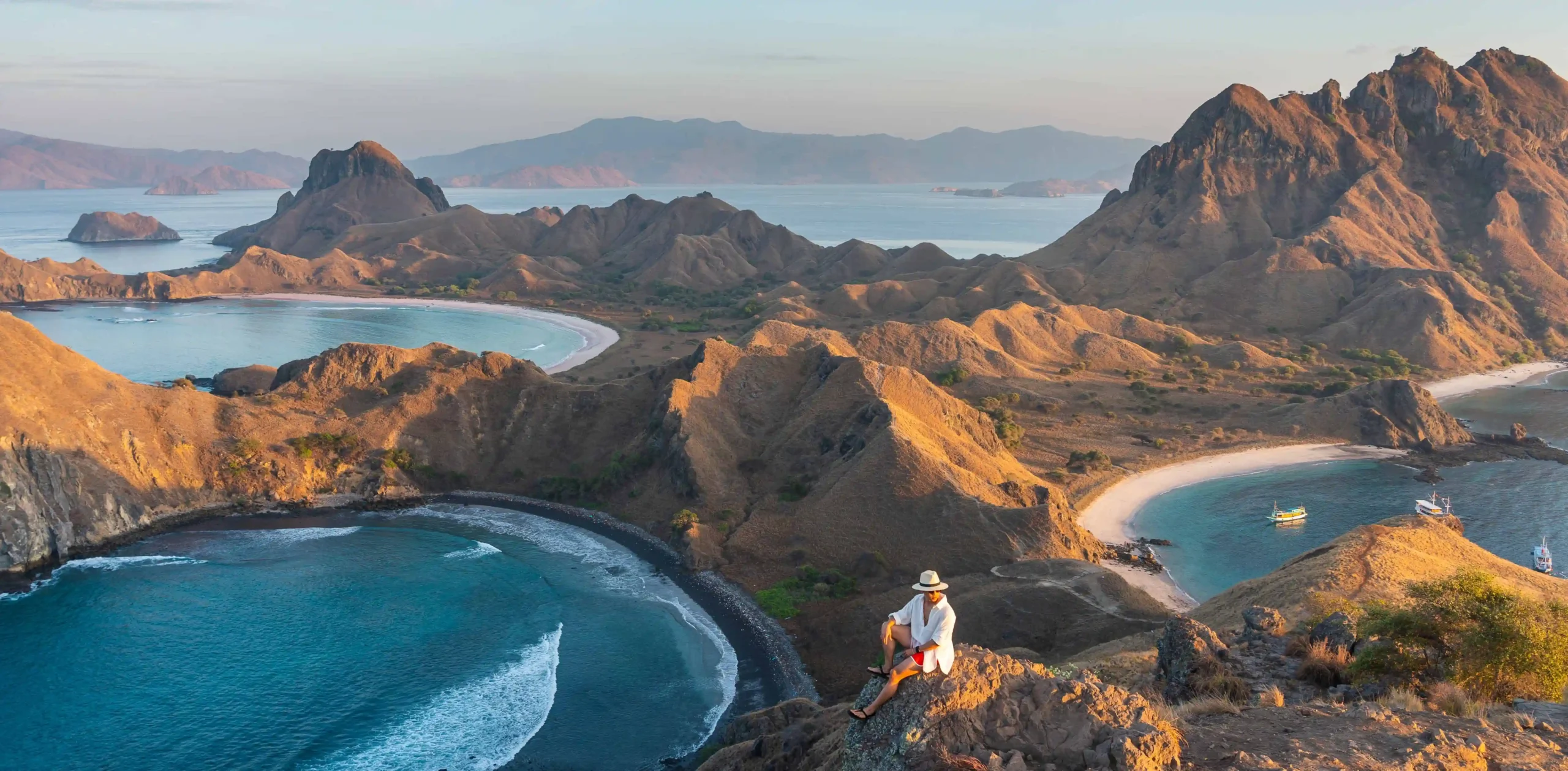
Located between Sumbawa and Flores in East Nusa Tenggara, Indonesia, Komodo National Park sits within a region influenced by the movement of water between the Indian and Pacific Oceans. These ocean movements help create diverse marine habitats. At the same time, they produce changing currents and underwater conditions that visitors should understand before exploring.
For travelers planning a visit, understanding Komodo's underwater environment makes it easier to choose suitable locations, travel seasons, and activities. As a locally operated travel company in Labuan Bajo, Bajo Explore shares practical information to help visitors discover the national park with a better understanding of its marine environment and local travel experiences.
Why Is Komodo National Park So Special for Underwater Exploration?
Komodo's marine environment reflects its geographical position, underwater topography, coral reef systems, and ocean circulation. Water movement between the Indian and Pacific Oceans influences temperature, nutrient distribution, and food availability for marine organisms.
In certain areas, nutrient-rich water supports plankton growth and contributes to productive marine habitats. Consequently, these conditions help sustain a wide range of marine life, from small reef fish and invertebrates to larger animals such as manta rays and reef sharks.
Komodo National Park also holds international recognition for its exceptional natural value. UNESCO inscribed the park on its World Heritage List in 1991. Its protected environment includes extensive coral reef ecosystems and diverse marine species.
Coral Reefs and Marine Biodiversity
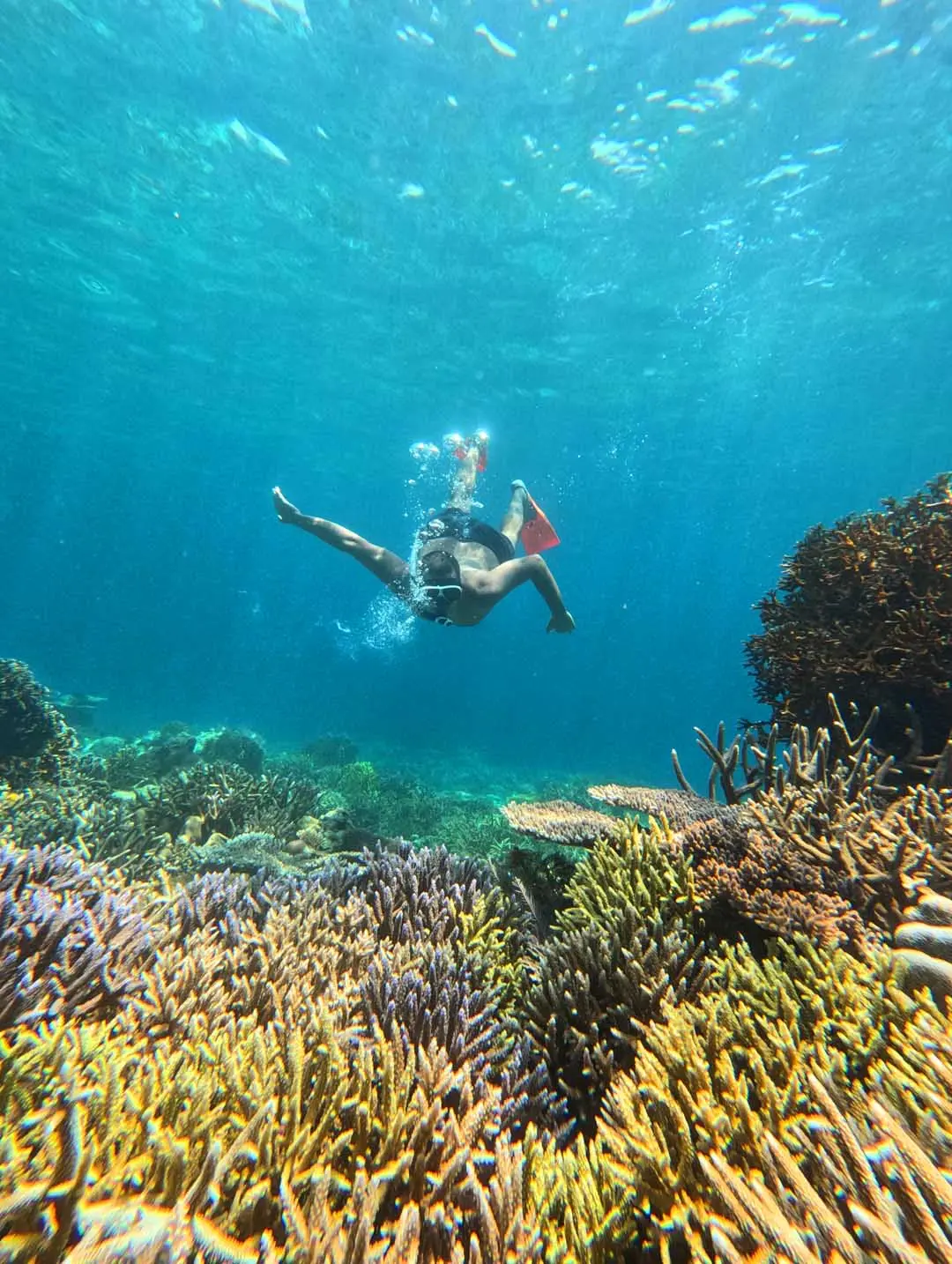
Coral reefs are among the most important habitats in Komodo's underwater environment. They provide shelter, feeding grounds, and breeding areas for many marine organisms. Healthy reefs support colourful reef fish, sea stars, crustaceans, molluscs, and numerous other species.
Different reef structures also create different underwater experiences. For example, shallow coral gardens can offer suitable snorkeling opportunities when conditions allow. Meanwhile, steep reef slopes, deeper walls, and exposed pinnacles generally attract scuba divers with appropriate training and experience.
Ocean Currents and Nutrient-Rich Water
One of the defining features of Komodo's marine environment is its current system. Tidal exchanges move water through narrow channels between islands, sometimes creating strong currents in particular locations.
These currents play an important ecological role because they transport nutrients and plankton through the park. However, they can also make certain dive sites challenging. Current strength and direction may change with the tide, moon phase, weather, and underwater topography.
Therefore, a dive site that looks calm from the boat may have very different conditions below the surface. Divers and snorkelers should always follow local guides and crew instructions rather than judging water safety only from what they see above it.
Famous Dive Sites in Komodo National Park
Komodo offers a variety of underwater environments, from sheltered coral gardens to exposed pinnacles and current-swept channels. The following locations are well known among divers. Nevertheless, they are not all suitable for every experience level or snorkeling activity.
1. Batu Bolong
Batu Bolong is one of Komodo's most recognisable dive sites. Its name means "hollow rock" in Indonesian and refers to the distinctive rock formation that rises above the water.
Below the surface, a submerged pinnacle supports colourful coral and attracts schools of reef fish. Divers may also encounter turtles, reef sharks, and other marine species, depending on the conditions.
However, the site faces changing currents, which can become challenging around the pinnacle. For this reason, divers should explore Batu Bolong only when conditions suit their experience and a qualified dive professional approves the plan.
2. Castle Rock
Castle Rock is a submerged underwater formation known for its rich fish life and dynamic conditions. It attracts divers who want to observe large schools of fish and pelagic species.
Depending on the conditions, divers may see trevallies, barracudas, reef sharks, and other open-water species. In addition, the site's exposure and currents make it more suitable for experienced divers with appropriate training.
3. Crystal Rock
Crystal Rock is another well-known pinnacle dive site in northern Komodo. Its underwater formation supports a variety of reef fish and coral communities.
When visibility and currents allow, divers can enjoy impressive views of the reef structure and marine life moving around the pinnacle. However, conditions can change, so dive professionals should assess the site before each visit.
4. Manta Point (Karang Makassar)
Manta Point, commonly associated with the Karang Makassar area, is one of Komodo's best-known locations for observing reef manta rays. Unlike a typical coral-wall dive, much of this area features a broad, relatively shallow reef environment with sandy patches and coral formations.
Reef manta rays may visit the area to feed on plankton or use locations where smaller fish remove parasites and dead skin from their bodies. Marine researchers call these locations cleaning stations. A manta ray may slow down or circle above a cleaning area while cleaner fish interact with it.
Nevertheless, manta sightings are never guaranteed. Their presence depends on natural movements, food availability, water conditions, and other environmental factors. Visitors should observe them calmly, maintain a respectful distance, and never chase or touch them.
5. Mawan
Mawan is another recognised manta ray observation area in Komodo. The site is associated with reef manta activity, although sightings can vary from one visit to another.
As with other manta locations, responsible observation remains essential. Avoid blocking the animals' path, touching them, or approaching them aggressively for photographs. Always follow your guide's instructions.
6. Cannibal Rock
Cannibal Rock, in the southern part of Komodo National Park, is known for its rich underwater biodiversity and unusual marine life. Divers visit the area to explore its reef formations and look for smaller species that they might otherwise overlook.
Depending on the conditions and depth, divers may encounter colourful invertebrates, nudibranchs, crustaceans, reef fish, and other interesting marine organisms. The southern region can also have cooler water and different conditions from northern dive sites.
Understanding Komodo's Northern, Central, and Southern Waters
Underwater conditions differ across Komodo National Park. Geography, exposure, water movement, and seasonal influences create distinct experiences in the northern, central, and southern areas.
Northern Komodo
The northern area features prominent underwater pinnacles, coral-covered formations, and a variety of schooling fish. Batu Bolong, Castle Rock, and Crystal Rock are among its best-known dive sites.
However, some northern sites experience strong currents and require careful planning. Divers should not assume that every popular location suits beginners. A qualified dive professional can help select a site that matches the group's experience and current conditions.
Central Komodo
The central region includes a mixture of islands, reefs, channels, and snorkeling locations. The area around Manta Point is particularly well known for possible manta ray encounters.
Central Komodo also attracts visitors taking boat trips from Labuan Bajo. Depending on the itinerary and sea conditions, travelers can combine island visits, snorkeling stops, and marine wildlife observation in one journey.
Southern Komodo
The southern region has a different marine character. Water temperatures can be cooler, while nutrient-rich water can support productive underwater habitats. Some sites are especially interesting for experienced divers looking for unusual marine life and diverse reef environments.
At the same time, exposure, swell, and seasonal weather can affect southern routes. A suitable itinerary should account for these factors instead of selecting locations based only on a list of famous dive sites.
Komodo Ocean Currents: What Visitors Should Know
Currents are a natural and important part of Komodo's marine environment. Narrow channels between islands can funnel moving water and create different current patterns depending on the tide and local geography.
For scuba divers, suitable currents may create drift-diving opportunities. During a drift dive, divers move with the water while maintaining control of their depth and position. However, strong or changing currents can also create risks, especially near exposed reef formations, channels, and pinnacles.
What Causes the Currents?
- Tidal movement: Water moves through the channels as tides change, influencing current direction and strength.
- Island geography: Narrow passages and underwater formations can accelerate or redirect moving water.
- Ocean circulation: Regional water exchange between the Indian and Pacific Oceans contributes to the wider marine circulation system.
- Weather and sea conditions: Wind, swell, and changing weather can influence conditions at the surface and around exposed sites.
Why Local Knowledge Matters
Choosing the right location and timing is important when exploring Komodo. Local conditions can change, and the safest option may involve adjusting the route or choosing a more sheltered location.
For scuba diving, qualified dive professionals should select sites according to current conditions and the group's experience. Similarly, visitors joining snorkeling and boat excursions should follow crew instructions and use suitable flotation equipment when recommended.
For additional information about dive sites, regional conditions, and diving considerations, consult PADI's Komodo diving guide.
Manta Rays in Komodo: Where and How to Observe Them
Reef manta rays are among the most impressive marine animals in Komodo National Park. Their large wingspans and graceful movements make them a highlight for many visitors.
Manta rays are filter feeders. They swim with their mouths open to collect plankton and other tiny organisms from the water. When food becomes available in suitable concentrations, these animals may gather in particular areas to feed.
What Are Manta Ray Cleaning Stations?
A cleaning station is an area where smaller fish, known as cleaner fish, remove parasites and dead tissue from larger marine animals. Reef manta rays may visit these locations and swim slowly or circle above the reef while cleaner fish interact with their bodies.
Researchers have studied reef manta ray movements and site use in Komodo, including Karang Makassar, Mawan, Manta Alley, and Cauldron. For a closer look at their findings, read this scientific study on reef manta ray movements and behaviour in Komodo.
Responsible Manta Ray Observation
- Never touch, chase, or attempt to ride a manta ray.
- Keep a respectful distance and allow the animal to move freely.
- Do not block its swimming direction or approach a cleaning station aggressively.
- Avoid sudden movements and excessive splashing.
- Follow your guide's instructions and local wildlife observation rules.
Best Time to Explore the Underwater World of Komodo
Visitors can explore Komodo throughout the year, but weather, sea conditions, visibility, and water temperature vary by season and location. Therefore, the best time depends on the experience you want and the areas you plan to visit.
April to November: Generally Drier Conditions
April to November generally marks the drier season in the Labuan Bajo and Komodo region. These months attract many visitors for sailing, island visits, and marine activities because weather conditions are often more favourable.
Even so, conditions can change from day to day. Wind, swell, tides, and local sea conditions may affect access to certain locations. Similarly, underwater visibility and manta ray sightings can vary naturally.
December to March: Wetter Season
December to March generally brings wetter weather to the region. Rainfall, wind, and changing sea conditions may affect some boat routes and outdoor activities.
However, travel can still be possible during this period. Operators may adjust itineraries to account for local conditions. Before departure, check the latest weather and sea conditions with your boat operator.
Water Temperature and Visibility
Water temperature in Komodo varies according to location, season, depth, and ocean conditions. Visitors may encounter a broad range of approximately 22°C to 29°C across different areas, although individual dive sites can be warmer or cooler.
Visibility also changes. For example, plankton-rich water can reduce visibility while supporting marine life. As a result, clear water does not always indicate the highest concentration of marine animals. Divers and snorkelers should expect natural variations in underwater conditions.
Scuba Diving vs. Snorkeling in Komodo
Scuba diving and snorkeling allow visitors to experience Komodo's marine environment in different ways. The right activity depends on your swimming ability, training, comfort in the water, and the conditions at each location.
Scuba Diving
Scuba diving allows certified divers to explore deeper reef structures, underwater pinnacles, walls, and marine habitats below the surface. However, some of Komodo's famous dive sites have strong or changing currents and require suitable training and experience.
Visitors interested in scuba diving should arrange their activity with a qualified dive operator. Before booking, confirm the dive sites, equipment, guide qualifications, certification requirements, and safety procedures.
Snorkeling
Snorkeling offers a more accessible way to observe shallow coral reefs and tropical fish. Many travelers, including those without scuba certification, can enjoy this activity when they feel comfortable in the water and conditions remain suitable.
Nevertheless, some Komodo locations suit snorkeling better than others. Water depth, current, waves, visibility, and boat traffic should all influence the decision to enter the water.
If you are planning a snorkeling trip, read our Komodo snorkeling tips and safety guide for practical advice before your visit.
How to Explore Komodo's Underwater Attractions from Labuan Bajo
Labuan Bajo, on the western side of Flores Island, serves as the main gateway to Komodo National Park. Most visitors begin their journey here before continuing by boat to the islands and marine destinations.
Travel time depends on the boat, destination, route, sea conditions, and itinerary. Some locations suit a day trip, while more distant areas may require a multi-day sailing journey.
1. Join a Komodo Open Trip
A Komodo Open Trip is a shared boat journey where individual travelers or small groups join other guests on the same itinerary. It offers a practical option for visitors who want to explore several destinations without chartering an entire boat.
Depending on the selected package and current conditions, an itinerary may include island viewpoints, beaches, snorkeling locations, and marine wildlife observation. Before booking, always check the actual itinerary and package inclusions.
Explore our Komodo Open Trip to learn more about shared sailing experiences from Labuan Bajo.
2. Choose a Komodo Private Charter
A private charter gives your group exclusive use of the selected boat. It offers greater flexibility when planning the route, activity schedule, and time spent at different destinations, subject to weather, safety requirements, and park regulations.
This option can suit families, couples, groups of friends, and travelers who prefer a more personal journey. You can discuss a private itinerary with the operator before departure. However, not every location will be accessible in every condition.
Discover our Komodo Private Charter options for a more flexible sailing experience.
3. Explore by Fast Boat
A fast boat suits travelers who have limited time and want to visit selected destinations in one day. Compared with some traditional sailing boats, a fast boat can reduce travel time between locations. Nevertheless, the actual route depends on sea conditions and the boat's operating limits.
Fast boat itineraries may include selected islands, beaches, and snorkeling locations. The number of stops depends on departure time, distance, weather, and conditions at sea.
See our Komodo Fast Boat trips to compare available day-trip experiences.
Which Trip Is Right for You?
- Open Trip: Suitable for travelers who want to share a boat and explore Komodo with other guests.
- Private Charter: Suitable for families or groups who prefer exclusive use of a boat and a more flexible itinerary.
- Fast Boat: Suitable for visitors with limited time who want to visit selected destinations on a day trip.
Before booking, confirm whether snorkeling equipment, meals, park fees, transfers, guides, and other services are included. Also, remember that scuba diving is a separate activity. Standard sailing, open trip, private charter, or fast boat packages do not automatically include scuba diving unless the operator specifically confirms it.
Safety Tips for Exploring Komodo's Marine Environment
Komodo is a beautiful but dynamic marine destination. Good preparation and responsible behaviour help visitors enjoy the experience safely while reducing disturbance to marine life.
For Snorkelers
- Wear a properly fitted life jacket if you are not a confident swimmer or if the crew recommends one.
- Listen carefully to the safety briefing before entering the water.
- Never snorkel alone. Stay within the area indicated by your guide or crew.
- Avoid entering the water when currents, waves, or visibility create unsafe conditions.
- Never stand on, touch, or collect coral.
- Use reef-conscious practices and avoid disturbing marine animals.
For Scuba Divers
- Choose dive sites that match your certification, experience, and comfort level.
- Follow the dive briefing and instructions from your qualified dive guide.
- Understand the current plan, entry and exit procedures, and emergency arrangements.
- Use appropriate equipment and check it before entering the water.
- Maintain good buoyancy and avoid contact with coral reefs.
- Never exceed your training limits or dive beyond your planned depth and time.
Protecting Komodo's Underwater Ecosystem
Komodo's marine biodiversity is a natural asset that depends on healthy habitats and responsible tourism. Physical contact, careless anchoring, pollution, and irresponsible wildlife interactions can damage coral reefs and disturb marine animals.
Fortunately, visitors can help protect the ecosystem through simple actions. Avoid leaving rubbish behind, reduce single-use plastics where possible, never touch or collect marine organisms, and follow local conservation regulations.
When observing manta rays, turtles, sharks, or other wildlife, give the animals space and allow them to behave naturally. A respectful encounter is more valuable than getting too close for a photograph.
For more information about the park's recognised natural value and conservation importance, visit the official UNESCO Komodo National Park information page.
Plan Your Komodo Journey with Local Knowledge
Exploring Komodo National Park involves more than choosing beautiful destinations. Understanding travel distances, sea conditions, tides, weather, and the activities you want to enjoy can make a significant difference to your experience.
Bajo Explore is a locally operated travel company based in Labuan Bajo. We offer Komodo sailing experiences through open trips, private charters, and fast boat journeys. Our team helps travelers understand available routes, boat options, and practical details before making a booking.
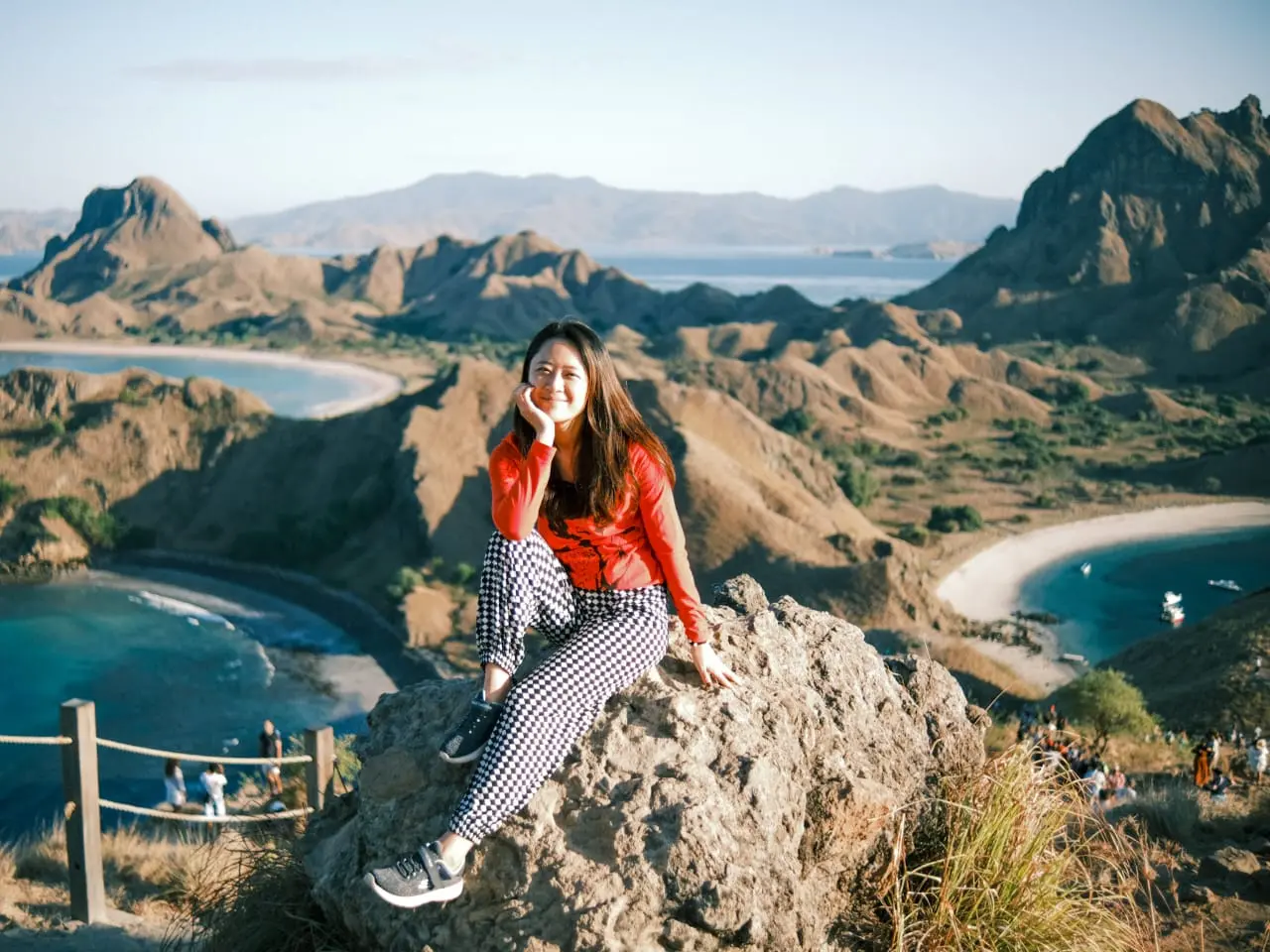
Whether you want to visit Padar Island, relax at Pink Beach, explore snorkeling locations, or enjoy a multi-day sailing journey, start by choosing an itinerary that matches your available time and travel preferences.
Explore our Komodo National Park travel guide or visit the Bajo Explore website to learn more about planning your journey from Labuan Bajo.
Frequently Asked Questions About Komodo's Underwater World
1. Is Komodo National Park good for snorkeling?
Yes. Komodo has many marine areas with coral reefs and tropical fish that visitors can explore by snorkeling when sea conditions allow. The best location depends on water conditions, currents, visibility, and the day's itinerary.
2. Can beginners go scuba diving in Komodo?
Some dive sites may suit less experienced divers when conditions are appropriate and a qualified dive operator organises the activity. However, many famous Komodo sites experience strong or changing currents. Beginners should never assume that every site is suitable for them.
3. Where can I see manta rays in Komodo?
Karang Makassar, commonly known as Manta Point, and Mawan are among the locations associated with reef manta ray activity. However, sightings are not guaranteed because manta rays are wild animals and their movements depend on natural conditions.
4. What is the best month to visit Komodo for underwater activities?
April to November generally marks the drier season and attracts many visitors for sailing and marine activities. Even so, conditions vary by location and day. Always check the latest weather and sea conditions before departure.
5. Are Komodo's ocean currents dangerous?
Currents are a natural feature of Komodo's marine environment. Some locations experience strong or changing currents, which can challenge divers and snorkelers. Therefore, follow qualified guides, choose suitable locations, and avoid entering the water when conditions are unsafe.
6. Can I explore Komodo's underwater attractions on a day trip?
Yes. A fast boat day trip can visit selected islands and snorkeling locations, depending on the route and sea conditions. In comparison, a multi-day sailing trip gives visitors more time to explore a wider range of destinations.
7. Does a Bajo Explore sailing package include scuba diving?
Scuba diving is not automatically included in standard Open Trip, Private Charter, or Fast Boat packages. These experiences focus on sailing, island visits, and snorkeling where the itinerary includes it. Contact Bajo Explore to confirm the specific activities and inclusions available for your selected trip.
8. How do I get to Komodo National Park?
Most visitors travel first to Labuan Bajo, Flores, and then continue by boat into Komodo National Park. Depending on your schedule and preferences, you can choose a shared open trip, private charter, or fast boat day trip.
Start Exploring Komodo with Bajo Explore
The underwater world of Komodo is full of natural wonders, from colourful coral reefs and tropical fish to the possibility of encountering majestic manta rays. With the right preparation, a suitable itinerary, and respect for the marine environment, your visit can become a meaningful experience above and below the water.
Planning your trip? Contact Bajo Explore to discuss boat options, available itineraries, and the best way to explore Komodo National Park from Labuan Bajo.
Website: www.bajoexplore.com
Email: info@bajoexplore.com
WhatsApp: Contact Bajo Explore