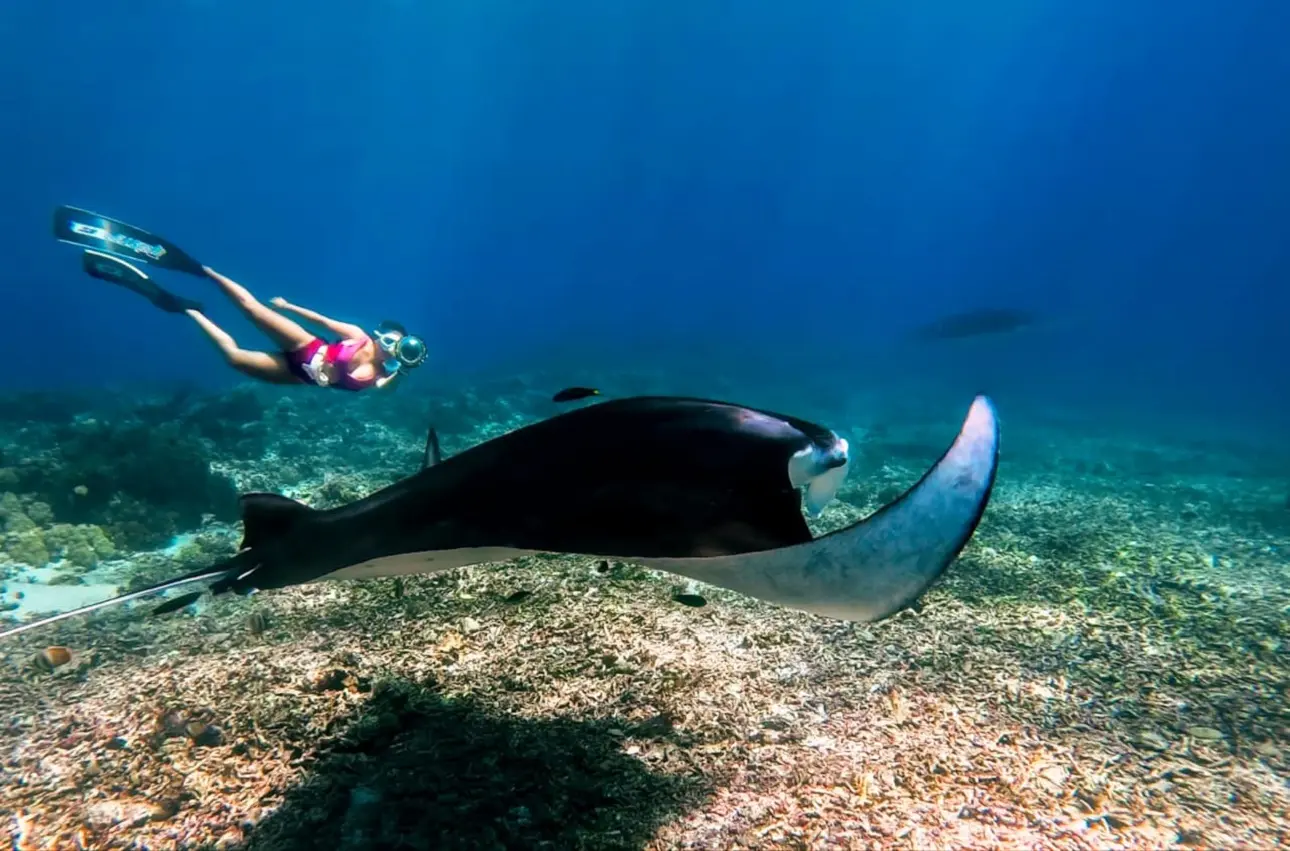
Best Snorkeling Spots & Underwater Wonders in Komodo National Park
Komodo National Park is famous for its Komodo dragons, dramatic islands, and breathtaking landscapes. But beyond its spectacular scenery lies another extraordinary world beneath the surface: colorful coral reefs, tropical fish, sea turtles, manta rays, and fascinating marine life.
For travelers visiting Labuan Bajo, snorkeling is one of the most accessible ways to experience this underwater paradise without needing a diving certification.
From shallow coral gardens and turquoise sandbars to places where manta rays glide through the ocean, Komodo offers a remarkable variety of snorkeling experiences. Each location has its own character, marine environment, and underwater attractions.
In this guide, discover the best snorkeling spots in Komodo National Park, what makes each location special, and how to explore them by boat from Labuan Bajo.
Why Is Komodo Underwater So Extraordinary?
Komodo National Park lies within the Coral Triangle, one of the world’s richest marine biodiversity regions. Its waters support diverse coral ecosystems, tropical reef fish, sea turtles, manta rays, and many other marine species.
Unlike scuba diving, snorkeling allows visitors to observe marine life directly from the surface. Many locations feature shallow reefs where colorful fish and coral formations can be seen without going deep underwater.
Depending on the location and conditions, snorkelers may encounter:
- Colorful tropical fish swimming around coral reefs
- Sea turtles feeding near coral or seagrass habitats
- Manta rays gliding through the water
- Beautiful hard and soft coral formations
- Schools of reef fish and fascinating marine creatures
- Occasional encounters with juvenile sharks in suitable habitats
Every snorkeling location offers a different experience. Marine wildlife sightings are natural encounters and cannot be guaranteed.
Best Snorkeling Spots in Komodo National Park
1. Pink Beach: Coral Reefs Beneath a Pink Shoreline
Pink Beach is one of the most iconic destinations in Komodo National Park, famous for its naturally pink-colored sand and beautiful coastal scenery.
Beyond the beach, the surrounding waters offer opportunities to explore coral reefs and observe tropical fish while snorkeling.
The combination of pink sand, clear water, and underwater scenery makes Pink Beach a memorable destination for first-time snorkelers and experienced ocean lovers alike.
Learn more about Pink Beach in Komodo National Park.
2. Siaba Besar: Komodo’s Famous Turtle City
Siaba Besar is widely known among travelers as Turtle City because sea turtles are frequently encountered in its surrounding waters.
Its underwater environment includes coral formations and seagrass areas where turtles may feed.
For visitors hoping to observe sea turtles in their natural habitat, Siaba Besar is one of the most interesting snorkeling locations in Komodo.
Remember to maintain a respectful distance and never touch, chase, or disturb marine animals.
3. Kanawa Island: Clear Water and Colorful Coral Reefs
Kanawa Island is located near Labuan Bajo and is known for its clear turquoise water, white sandy beach, and beautiful coral reefs.
The island is an attractive destination for relaxed snorkeling experiences, with opportunities to observe reef fish and coral formations in relatively shallow water.
Its proximity to Labuan Bajo also makes Kanawa a convenient destination on selected boat trips.
4. Manjarite: An Accessible Reef Experience
Manjarite is a popular snorkeling destination around the islands near Komodo National Park.
The area is known for its reef environment and tropical fish, making it an enjoyable stop for travelers who want to explore underwater without spending the entire day in the water.
Manjarite is frequently included in multi-day sailing itineraries around Komodo and offers a pleasant snorkeling experience when conditions are suitable.
5. Taka Makassar: A Sandbar Surrounded by Turquoise Water
Taka Makassar is a beautiful sandbar surrounded by shallow turquoise water, creating one of the most recognizable landscapes in Komodo National Park.
The sandbar changes in appearance depending on tides and sea conditions. At suitable tide levels, visitors can enjoy its white sand, swim in the surrounding water, or snorkel around nearby reef areas.
Taka Makassar is commonly combined with Manta Point during Komodo sailing trips.
6. Manta Point: Where Manta Rays Glide Through the Ocean
Manta Point, also known as Karang Makassar, is one of the most famous marine locations in Komodo National Park.
The area is known for manta ray encounters. These graceful animals may swim near the surface while feeding or visit cleaning stations where small reef fish remove parasites and dead skin from their bodies.
Watching a manta ray glide effortlessly through the ocean can be one of the most unforgettable experiences in Komodo.
However, currents at Manta Point can be strong. Snorkeling should only take place when conditions are suitable and under the guidance of an experienced crew.
Discover more about Manta Point in Komodo.
7. Sebayur Island: Beautiful Reef Scenery
Sebayur Island offers another perspective on Komodo’s underwater environment, with reef landscapes and tropical marine life.
Its surrounding waters can provide interesting snorkeling opportunities for travelers exploring the northern areas around Labuan Bajo and Komodo National Park.
Sebayur is an attractive addition to selected sailing itineraries, although its inclusion depends on the boat route and trip duration.
8. Pengah Island: Explore Komodo’s Colorful Reef Environment
Pengah Island is an interesting marine destination around Komodo National Park, known for its underwater scenery and coral reef environment.
The surrounding waters offer opportunities to observe colorful reef fish and coral formations while snorkeling when sea conditions are suitable.
For travelers who enjoy exploring beneath the surface, Pengah Island offers another fascinating perspective on Komodo’s marine biodiversity.
9. Tatawa Besar: A Vibrant Coral Reef Landscape
Tatawa Besar is known for its beautiful underwater landscape, colorful coral formations, and diverse reef fish.
The surrounding reef environment creates impressive underwater scenery, making this area particularly interesting for marine enthusiasts.
However, currents around Tatawa can be strong and unpredictable. Snorkeling should only take place when conditions are suitable and with guidance from an experienced local crew.
10. Mawan: A Marine Habitat for Manta Rays
Mawan is an interesting marine location in the Komodo region, known for its reef environment and opportunities to encounter manta rays.
These graceful animals may pass through the area while feeding or moving between marine habitats.
Mawan offers an exciting opportunity to observe marine life in its natural environment, although sightings are never guaranteed.
Sea currents can vary considerably around Mawan, making local knowledge and proper guidance essential before entering the water.
11. Kelor Island: A Chance to See Juvenile Sharks
Kelor Island is a beautiful island near Labuan Bajo, famous for its white sandy beach, turquoise waters, and scenic hilltop views.
Beyond its beautiful landscape, the surrounding waters can also offer an exciting wildlife encounter. Visitors may have the opportunity to spot juvenile sharks, often referred to as baby sharks, swimming in shallow coastal waters.
Seeing these young sharks in their natural habitat can be a memorable experience, especially for travelers interested in marine wildlife.
As with all wildlife encounters, sightings depend on natural conditions and are never guaranteed.
Kelor Island is an excellent addition to selected boat trips, combining beautiful island scenery, swimming, snorkeling, and the possibility of observing fascinating marine life.
How to Reach the Snorkeling Spots in Komodo National Park
Most snorkeling destinations around Komodo National Park are accessible by boat from Labuan Bajo. The main snorkeling locations are spread across different islands and marine areas, making boat travel the most practical way to explore them.
There are three popular ways to discover Komodo’s underwater world.
1. Komodo Open Trip
A Komodo Open Trip is suitable for solo travelers, couples, and small groups who want to share a boat with other guests.
Depending on the package, travelers can enjoy snorkeling, island visits, scenic viewpoints, and other activities included in the itinerary.
Open trips are an excellent option for visitors who want to experience Komodo without organizing an entire boat privately.
2. Komodo Private Charter
A private charter is ideal for families, couples, or groups who prefer their own boat and a more personal travel experience.
With a private boat, travelers can enjoy greater flexibility in arranging their journey according to their interests, trip duration, and suitable sea conditions.
Private charters are particularly attractive for travelers who want more time snorkeling, relaxing onboard, or exploring selected destinations at a comfortable pace.
Discover our Komodo Private Charter
3. Komodo Fast Boat Tour
A fast boat tour is a good option for travelers with limited time who want to explore several destinations in one day.
Selected snorkeling locations can be combined with island visits and scenic stops, depending on the route, weather, and sea conditions.
Fast boat tours are particularly suitable for visitors staying in Labuan Bajo who want to experience Komodo without spending multiple nights onboard.
Explore our Komodo Fast Boat Tour
Starting Your Journey from Labuan Bajo
Travelers usually begin their journey at Komodo Airport (LBJ), located in Labuan Bajo, Flores, Indonesia.
After arriving in Labuan Bajo, guests can continue to the harbor for their scheduled boat departure.
Boat travel times vary depending on the destination, vessel type, route, and sea conditions. Some snorkeling spots are relatively close to Labuan Bajo, while others require longer sailing distances.
Before departure, the crew will explain the planned itinerary, snorkeling locations, safety instructions, and any adjustments required by weather or sea conditions.
Which Komodo Trip Is Best for Snorkeling?
The best option depends on how much time you have and the experience you want.
- One day: A fast boat trip can combine selected snorkeling spots with island sightseeing.
- 2 days or more: A sailing trip allows more time to explore different islands and underwater locations.
- 3 days or more: A multi-day sailing experience provides greater opportunities to enjoy snorkeling, sunsets, island landscapes, and life aboard a boat.
Not every boat visits every snorkeling location. The actual route depends on the package, weather, currents, tides, and operational conditions.
When Is the Best Time to Snorkel in Komodo?
Komodo offers snorkeling opportunities throughout much of the year, but underwater visibility, waves, and currents can change with seasonal and daily conditions.
The best snorkeling experience is not determined only by the month. Conditions at each location on the day of your visit are equally important.
An experienced local crew can help select suitable snorkeling locations based on sea conditions, visibility, tides, and the swimming ability of guests.
Snorkeling Tips for First-Time Visitors
You do not need a diving certification to enjoy snorkeling in Komodo.
For a more comfortable and responsible experience:
- Wear a properly fitted mask and snorkel.
- Use a life jacket if you are not a confident swimmer.
- Follow your guide’s instructions before entering the water.
- Never touch, stand on, or damage coral reefs.
- Maintain a respectful distance from turtles and manta rays.
- Avoid chasing or disturbing marine animals.
- Do not enter strong currents without professional guidance.
- Listen carefully to the crew before snorkeling at unfamiliar locations.
The underwater environment is beautiful, but it is also a natural ecosystem that deserves protection.
Frequently Asked Questions About Snorkeling in Komodo
Can beginners snorkel in Komodo National Park?
Yes. Many snorkeling locations have shallow reef areas suitable for beginners when conditions are appropriate. Guests should inform their crew about their swimming ability before entering the water.
Can I see manta rays while snorkeling?
Manta rays may be encountered at locations such as Manta Point and Mawan, but sightings are not guaranteed. Conditions and manta activity vary throughout the day.
Can I see baby sharks around Kelor Island?
Juvenile sharks may occasionally be observed in the waters around Kelor Island. However, wildlife sightings depend on natural conditions and cannot be guaranteed.
Do I need to bring my own snorkeling equipment?
Many Komodo boat trips provide snorkeling equipment. However, you should confirm what is included in your package before departure.
Can I visit all snorkeling spots in one day?
Not usually. The snorkeling locations are spread across different areas, and visiting several spots depends on boat speed, itinerary, weather, and sea conditions.
Is snorkeling included in a Komodo Open Trip?
Many open trips include snorkeling activities and equipment. The exact locations and inclusions depend on the package you choose.
Explore Komodo’s Underwater World with Bajo Explore
The beauty of Komodo is not only found on its islands but also beneath the surface of its waters.
From colorful coral reefs and sea turtles to the possibility of encountering manta rays and juvenile sharks, snorkeling offers a different way to experience this remarkable destination.
With Bajo Explore, travelers can discover Komodo through boat trips from Labuan Bajo, supported by local knowledge and an understanding of the surrounding marine environment.
Choose the journey that suits your travel style:
- Explore our Komodo Open Trip for a shared sailing experience.
- Discover our Private Charter for a more personal journey with your own boat.
- Choose our Komodo Fast Boat Tour if you have limited time.
Your Komodo adventure begins in Labuan Bajo, where the islands, reefs, and extraordinary underwater world are waiting to be explored.
Beyond the Ordinary, Into Paradise. Discover Komodo with Bajo Explore.