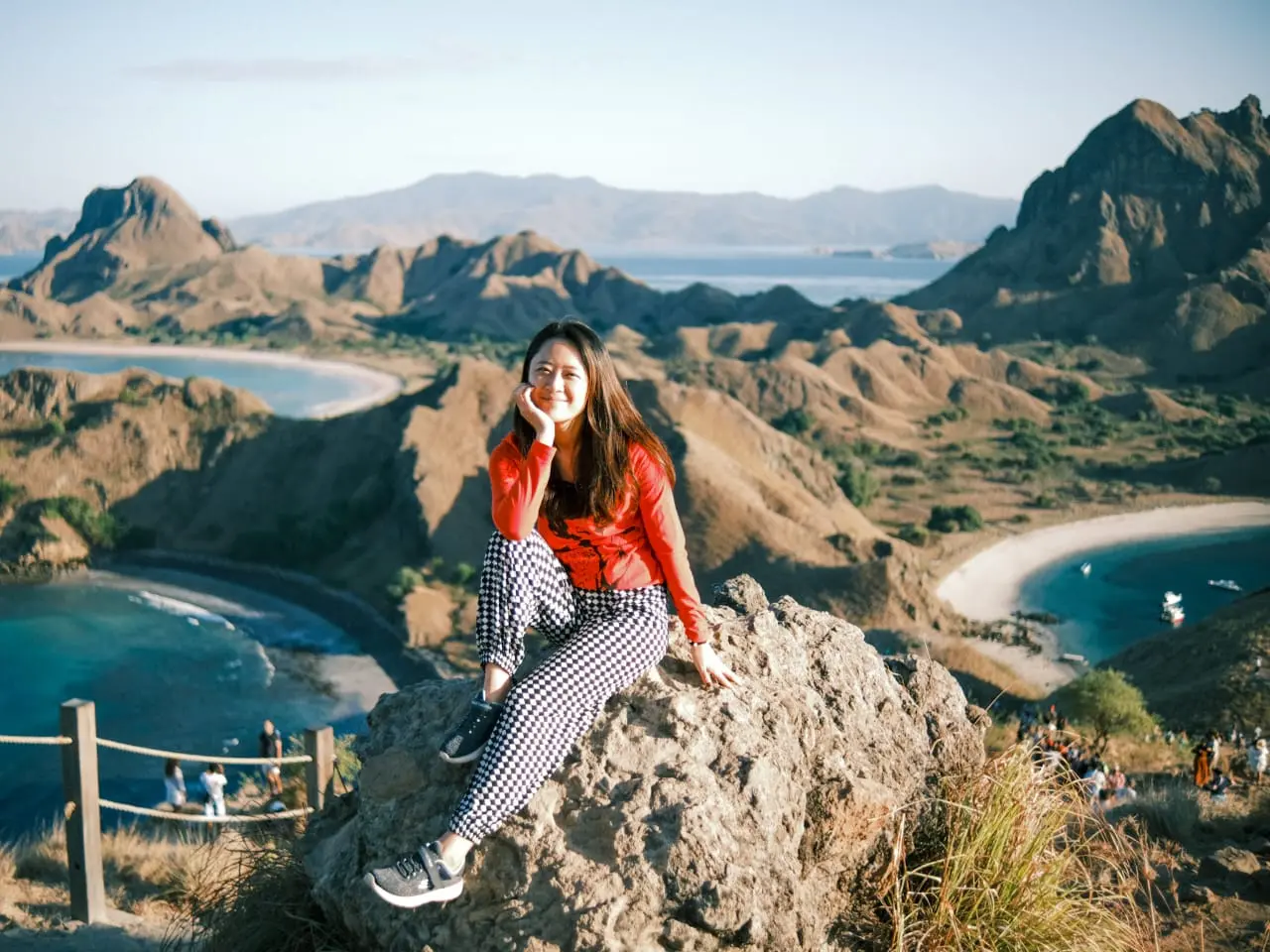
Snorkeling in Komodo National Park is one of the most memorable experiences you can enjoy during a trip to Labuan Bajo. Beneath its clear tropical waters, you may discover colorful coral reefs, tropical fish, sea turtles, manta rays, and fascinating underwater landscapes.
However, Komodo is not an ordinary snorkeling destination. Its waters are influenced by powerful tidal currents, changing sea conditions, and deep channels between islands. Even confident swimmers can encounter unexpected challenges when snorkeling in the wrong place or under unsuitable conditions.
Understanding the ocean, choosing appropriate snorkeling spots, and following your guide's instructions are essential for enjoying Komodo safely.
In this guide, Bajo Explore, a locally based Labuan Bajo tour operator, shares practical snorkeling tips, potential risks, and useful techniques to help you prepare for your underwater adventure.
Depending on the location and conditions, snorkeling may reveal coral gardens, schools of tropical fish, sea turtles, manta rays, and other marine life. Visibility and wildlife sightings can change from one day to another, so every snorkeling trip is different.
Popular Snorkeling Spots in Komodo National Park
Komodo has a variety of snorkeling locations, from sheltered reef areas to open-water sites. The following destinations are often included in itineraries, depending on weather, tides, currents, and the route of your boat.
Manta Point
Manta Point is known for the possibility of encountering manta rays in their natural habitat. It is an open-water location where currents and conditions can be challenging. Manta sightings are never guaranteed.
Taka Makassar
Taka Makassar is a shallow sandbank surrounded by turquoise water. Nearby reef areas may offer snorkeling opportunities, while the sandbank itself is also a beautiful place to enjoy the scenery when conditions allow.
Pink Beach
Pink Beach is famous for its distinctive pink-colored sand and surrounding marine environment. Snorkeling conditions vary, so follow your guide's instructions and avoid standing on coral.
Siaba Island
Siaba Island is a popular area for exploring coral reefs and observing marine life. The exact snorkeling location should be selected according to current conditions and guest experience.
Kanawa Island
Kanawa Island is known for clear water, coral gardens, and tropical fish. It can be an appealing place to explore underwater scenery when sea conditions are suitable.
Manjarite
Manjarite, near Rinca Island, is a popular snorkeling destination with attractive reef scenery. Conditions can vary, so do not assume that the area is always calm or suitable for every swimmer.
Sabayur Island
Sabayur offers underwater scenery, coral formations, and tropical fish. Your guide can help identify an appropriate area to enter based on conditions and your snorkeling experience.
Mawan Island
Mawan Island is associated with manta ray encounters in the surrounding waters. As with all wildlife experiences, sightings depend on natural movements and conditions, and snorkelers should maintain a respectful distance.
Tatawa Besar Island
Tatawa Besar is known for coral reefs and diverse marine life. Some areas may experience strong currents, making careful site selection and guide instructions especially important.
Penga Kecil Island
Penga Kecil offers underwater landscapes, coral formations, and tropical marine life. The experience depends on visibility, currents, and the precise snorkeling area chosen for the day.
Important: These descriptions are general, not safety guarantees. A location that is comfortable on one day may be unsuitable on another. Your guide should assess the conditions before anyone enters the water.
1. Understand Ocean Currents Before Entering the Water
One of the most important things to understand about snorkeling in Komodo is that the ocean can be much stronger than it appears from the surface.
Channels between islands experience tidal movements that can create powerful currents. One area may look calm while a nearby channel has much stronger flow.
Why can currents be dangerous?
They can carry snorkelers away from the boat or intended snorkeling area.
They can make returning to the boat difficult.
They can cause exhaustion, even for confident swimmers.
They may change direction or strength during a snorkeling session.
They can increase the risk of separation from the group.
Currents are not always easy to recognize from the surface, especially when the water looks clear and calm.
Practical safety tips
Ask your guide whether the location is suitable for the current conditions.
Never enter the water before receiving a safety briefing.
Do not try to swim against a strong current.
Stay within the designated snorkeling area.
Follow instructions about entering and exiting the water.
Accept an alternative location if conditions are unsuitable.
A beautiful snorkeling spot is not automatically a safe spot at every tide.
2. Be Honest About Your Swimming Ability
Snorkeling may look easy because you float on the surface, but open-water snorkeling is very different from swimming in a pool. There may be no shallow seabed to stand on, and waves or currents can make movement and breathing more difficult.
Who should take extra care?
Beginners who have never snorkeled in open water.
Travelers who cannot swim confidently.
Children snorkeling for the first time.
Guests who feel anxious when they cannot touch the seabed.
Anyone experiencing fatigue, seasickness, or breathing difficulties.
Tips for beginners
Tell your guide honestly about your swimming ability.
Use a properly fitted life jacket or suitable snorkeling flotation device.
Practice breathing through your snorkel in calm water first.
Start in a sheltered area selected by your guide.
Stay close to your guide or designated buddy.
Never feel pressured to enter the water if you are uncomfortable.
A good snorkeling experience should be enjoyable, not stressful.
3. Use the Right Snorkeling Equipment
Proper equipment makes snorkeling more comfortable and helps reduce avoidable risks.
Mask: Choose one that fits comfortably and does not leak. Test it before entering the water.
Snorkel: Check that it is clean and functioning properly. Practice breathing through it first.
Fins: Use fins that fit correctly and allow comfortable movement without causing cramps.
Life jacket: A properly fitted life jacket is strongly recommended for beginners and anyone who needs additional flotation.
Rash guard: Helps protect your skin from sun exposure and reduces the need for sunscreen on covered areas.
A useful mask-fitting tip
Place the mask gently on your face without using the strap and inhale slightly through your nose. If it creates a comfortable seal, it may fit well. Avoid overtightening the strap, as excessive pressure can sometimes cause leaks.
4. What to Do If You Encounter a Strong Current
If you unexpectedly feel yourself being carried by a current, avoid panic and prioritize staying afloat and communicating with your guide.
Stop trying to swim directly against a current that is too strong.
Keep your breathing controlled and maintain flotation.
Signal your guide or boat crew immediately.
Follow the guide's instructions and the operator's emergency procedures.
If separated from the group, stay afloat and make yourself visible while waiting for assistance.
Do not attempt to chase the boat or swim back to shore alone. A life jacket helps with flotation but does not remove all risks. Stay supervised and follow the snorkeling plan.
5. Be Careful Around Boats and Marine Traffic
Komodo National Park is a busy marine tourism destination. Boats travel between islands, snorkeling sites, and diving locations throughout the day. Swimming near boat traffic can lead to collisions or propeller injuries.
Never snorkel outside the designated area without permission.
Stay away from boat propellers and engines.
Never approach a moving boat.
Follow crew instructions when entering or leaving the water.
Know the boat's position and designated pickup point.
Make sure the crew knows when you enter and exit the water.
A responsible operator should establish clear communication between snorkelers and the boat crew.
6. Protect Yourself From Sunburn and Dehydration
Sun exposure, warm temperatures, saltwater, and physical activity can cause fatigue even when you spend much of your time in the water.
Before snorkeling
Drink enough water.
Apply reef-conscious sunscreen before entering the water.
Wear a rash guard and consider a sun-protective hat while on the boat.
Eat appropriately before the activity.
Avoid excessive alcohol before snorkeling.
During the trip
Drink water regularly.
Take breaks between snorkeling sessions.
Avoid prolonged sun exposure.
Tell your guide if you feel dizzy, unusually tired, nauseous, or unwell.
Do not ignore early signs of exhaustion.
7. Never Touch Coral or Marine Animals
Komodo's underwater ecosystem is beautiful but fragile. Coral reefs are living ecosystems that can be damaged by careless movement.
Never do these things
Stand on coral or break it.
Touch, chase, or corner sea turtles or manta rays.
Touch marine animals.
Feed fish or other wildlife.
Collect shells, coral fragments, or marine organisms.
Kick coral reefs with your fins.
A simple snorkeling technique
Keep your body horizontal and your fins behind you. Use slow, controlled movements instead of aggressive kicking. Maintain enough distance from the reef to avoid contact.
Calm movement also makes it easier to observe marine life behaving naturally and take better underwater photographs.
8. Understand the Conditions at Manta Point
Manta Point is one of Komodo's best-known marine destinations. Seeing manta rays glide through the water can be unforgettable, but it is an open-water environment and conditions may vary considerably.
Currents can be strong and challenging.
Water conditions may change during the day.
Manta rays are wild animals, so sightings cannot be guaranteed.
Snorkelers should maintain a respectful distance.
Swimming directly toward or chasing manta rays should be avoided.
A better approach to manta encounters
Rather than chasing manta rays, remain calm, float comfortably, and allow them to pass naturally. Enter the water only when your guide considers the conditions and your ability appropriate.
9. Choose Snorkeling Spots According to Your Experience
Not every snorkeling location in Komodo is suitable for every traveler. Some areas may be more comfortable for beginners, while others require stronger swimming skills and greater awareness of open-water conditions.
Snorkeling location What you may experience Important consideration
Manjarite Reef scenery and underwater life Suitability depends on local conditions
Kanawa Island Clear water, coral gardens, tropical fish Follow the selected entry and exit area
Siaba Island Coral reefs and marine biodiversity Conditions can vary by site
Pink Beach Coastal scenery and nearby snorkeling areas Avoid standing on coral
Taka Makassar Sandbank and nearby reef environments Check currents and water depth
Sabayur Island Coral formations and tropical fish Use a site selected by your guide
Mawan Island Possible manta ray encounters Wildlife sightings are not guaranteed
Tatawa Besar Coral reefs and marine life Some areas may have strong currents
Penga Kecil Underwater landscapes and tropical marine life Check visibility and current conditions
Manta Point Open-water manta ray encounters Potentially challenging currents
This table is a general guide, not a safety ranking. Weather, tide, current, visibility, and the exact snorkeling site determine suitability on the day.
10. Stop Snorkeling If You Feel Tired
Fatigue is one of the most underestimated risks in snorkeling. Even strong swimmers can become tired after several sessions.
Recognize these warning signs
Difficulty maintaining controlled breathing.
Leg cramps.
Unusual tiredness.
Anxiety or panic.
Dizziness.
Difficulty keeping your head above water.
What to do
Stop snorkeling immediately.
Signal your guide or boat crew.
Use your flotation equipment.
Do not continue simply because other guests are still snorkeling.
Return to the boat with assistance if needed.
Your safety is more important than completing every snorkeling stop.
11. Snorkeling Tips for Families and Children
Komodo can be a wonderful destination for families, but snorkeling with children requires extra attention.
Before entering the water
Choose a calm location based on the day's conditions.
Ensure children have properly fitted flotation equipment.
Check that masks and fins fit correctly.
Explain basic snorkeling signals.
Arrange active, close supervision by a responsible adult or qualified guide.
During snorkeling
Keep children within immediate supervision.
Avoid strong-current locations.
Take frequent breaks.
Never leave children snorkeling alone.
Do not force children to enter the water if they are frightened.
A private Komodo boat trip may offer more flexibility to adjust snorkeling stops, timing, and activity levels to a family's needs.
12. Learn Basic Snorkeling Hand Signals
Before entering the water, ask your guide to explain the signals used during your trip. Signals may vary between operators, so confirm their meaning during the briefing.
Signal Common meaning
OK sign I am okay
Waving or raising a hand Attention or assistance needed
Thumb pointing up I want to stop or return to the surface/boat, as agreed in the briefing
Pointing toward the boat Direction of the boat
Flat hand moving across the neck Emergency signal; stop and respond immediately
Always use the emergency signal explained by your guide and follow the operator's procedures.
13. What to Bring for a Komodo Snorkeling Trip
Swimsuit.
Rash guard or UV-protective clothing.
Towel.
Sunscreen.
Sunglasses.
Drinking water.
Waterproof bag.
Motion-sickness medication, if appropriate for you.
Your own snorkeling mask, if preferred.
Waterproof camera or action camera.
If you bring an underwater camera, secure it properly and check its waterproofing before entering the water.
14. Why Explore Komodo with a Local Operator Like Bajo Explore?
Komodo is not only about visiting famous islands. A rewarding trip also depends on understanding the destination, choosing suitable snorkeling locations, and adapting the plan to the sea and the people on board.
As a locally based tour operator in Labuan Bajo, Bajo Explore brings firsthand destination knowledge and local connections to your journey. Our team can help you understand the differences between snorkeling locations and plan an itinerary around your interests, experience, and the conditions on the day.
Local destination knowledge: Explore beyond a list of famous stops and learn more about the places you visit.
Condition-aware planning: Snorkeling locations and activities should be selected according to current sea conditions and guest experience.
Trip options: Choose from open trips, private boat charters, or fast boat tours based on your travel style and schedule.
Personal guidance: Share your swimming ability, family needs, and preferences before the trip so the team can discuss suitable options.
Local knowledge is valuable, but it does not replace safety procedures. Conditions can change quickly, and activities may need to be adjusted or cancelled when the sea is unsuitable.
Frequently Asked Questions About Snorkeling in Komodo
Is snorkeling in Komodo National Park safe?
Snorkeling can be enjoyable when conditions are suitable and guests use appropriate equipment, receive a briefing, and follow supervision. Komodo's waters can be challenging, so currents and other risks should never be underestimated.
Do I need to know how to swim to snorkel in Komodo?
Basic swimming ability and comfort in open water are strongly recommended. If you cannot swim, tell the operator before booking. Suitable flotation and close supervision are important, and some locations may not be appropriate for you.
Can beginners snorkel at Manta Point?
It depends on the conditions and the individual's ability. Manta Point can have strong currents and open-water conditions. Beginners should enter only if the guide considers the location appropriate and suitable flotation and supervision are available.
Can I see manta rays every time I visit Manta Point?
No. Manta rays are wild animals, and sightings depend on natural conditions and animal movements.
What is the best snorkeling spot in Komodo?
There is no single best spot for everyone. Kanawa, Manjarite, Siaba, Pink Beach, Taka Makassar, Sabayur, Mawan, Tatawa Besar, Penga Kecil, and Manta Point offer different experiences. Your guide should select locations according to conditions and your experience level.
Is snorkeling better on a private trip or an open trip?
Both can offer memorable experiences. A private trip provides more flexibility to adjust stops, timing, and activity levels to your preferences. An open trip is a more affordable way to explore Komodo with other travelers. See our Komodo open trip and private trip options.
Can I snorkel if I am not a confident swimmer?
Tell your operator in advance and discuss your comfort level honestly. A suitable location, flotation, and close supervision may help, but snorkeling may still not be appropriate in some conditions. Never enter the water if you feel unsafe.
What should I wear for snorkeling in Komodo?
A swimsuit and rash guard or UV-protective clothing are useful. Bring sun protection for time on the boat, a towel, and any personal equipment you prefer.
Enjoy Komodo's Underwater Beauty Responsibly
Snorkeling in Komodo National Park is more than swimming in beautiful turquoise water. It is an opportunity to experience one of Indonesia's remarkable marine ecosystems.
The most memorable experiences often come from understanding the ocean, respecting marine life, and exploring at a comfortable pace.
Respect the ocean: Never underestimate currents or changing conditions.
Protect marine life: Keep your distance from coral and wildlife.
Prioritize safety: Follow your guide, use proper equipment, and never enter the water when conditions are unsuitable.
With thoughtful preparation and a responsible operator, snorkeling can become one of the highlights of your journey to Labuan Bajo.
Explore Komodo National Park with Bajo Explore
Ready to discover Komodo's underwater beauty? Bajo Explore offers Komodo open trips, private boat charters, and fast boat tours from Labuan Bajo, with opportunities to explore beautiful islands, snorkeling destinations, and the spectacular landscapes of Komodo National Park.
Traveling as a couple, with friends, or with family? Tell us your travel dates, group size, and snorkeling experience. Our team can help you discuss an itinerary that matches your preferences and the conditions expected for your trip.
Plan your Komodo adventure with Bajo Explore.